ORGANIZATIONAL EFFECTIVENESS
Fix the structure underneath the symptoms.
Change management, organizational design, learning and development, and culture: the core of the consulting practice.
Most growing companies outgrow how they operate long before they notice. Roles blur, decision-making slows, change efforts lose momentum, and capable people end up in the wrong work. Diagnosing and fixing that has been my core discipline through years in the consulting industry: organizational design, the people side of change, the learning that builds people into their roles, and the culture that holds it together. I help leaders see the real organization underneath the formal one, then rebuild it so people know their role, know what success looks like, and have what they need to deliver. The work is grounded in organizational psychology research and practiced with teams across healthcare, technology, nonprofits, and government.

THE PROBLEM
You know something is off, but cannot name it.
Most leaders feel it before they can point to it. Accountability is fuzzy. High performers leave because the role stopped making sense. New hires take months longer to ramp than they should. Meetings multiply while decisions bounce between them. Hiring smarter people does not fix any of this, because the problem lives in the structure: how roles are defined, how decisions get made, and how performance gets measured. That is the layer this practice works on.
HOW I WORK
Evidence from inside your organization.
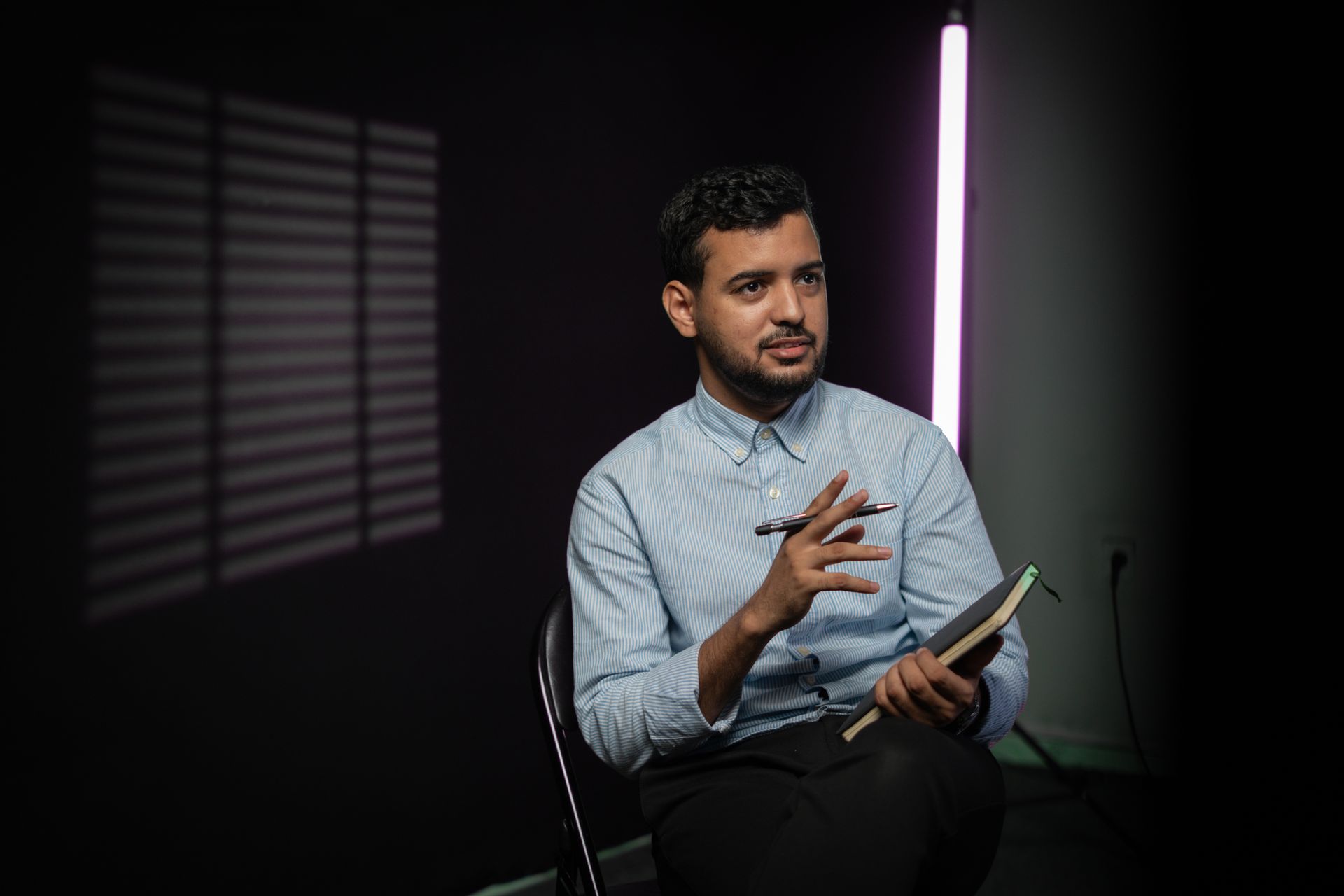
I start by listening: interviews with people at every level, surveys on role clarity and decision-making, and observation of the work as it happens. From there I build competency models, job-analysis tools, and performance systems grounded in industrial-organizational psychology. Then we rebuild roles, accountability, and evaluation criteria together, so the team understands the reasoning and owns the change from the first working session.
ORGANIZATIONAL DESIGN
What the right structure changes.
When the structure is right, people know what is expected and see how their work connects to the business. Hiring gets faster because you know what you are looking for. New employees get productive sooner because onboarding is clear. Retention improves because high performers are not frustrated. Decisions accelerate because roles and authority are explicit. And performance management gets easier because expectations are explicit and written down.
CHANGE MANAGEMENT
Bring people along so the change sticks.
Change efforts usually fail at the same point: the plan is solid, the timeline is realistic, and then the change reaches the people who have to work differently, and momentum drains. As a Prosci Certified Change Practitioner, I lead the people side of transformation through to full adoption.
The approach works backward from adoption using the ADKAR model: awareness of why the change is necessary, real desire built by hearing concerns honestly, knowledge through role-specific training, ability through practice and support, and reinforcement so people do not drift back to old habits. It applies the same way to a system rollout, a restructuring, an AI implementation, or a culture shift.
LEARNING & DEVELOPMENT
Building people into the roles.
Structure tells people what their role is. Learning and development is how they grow into it. The two belong together, which is why L&D sits inside this practice.
I build training designed to change behavior: onboarding and development programs shaped by needs analysis, e-learning and assessment tools, and train-the-trainer models that let internal teams carry a program forward. The approach draws on instructional design and human-centered design, so what people learn shows up in how they work.
CULTURE
Culture decides whether any of it holds.
You can redesign the roles, run the change properly, and build the training, and still watch it erode if the culture works against it. By culture I mean the repeated behavior an organization rewards and tolerates, and it can be diagnosed and shaped like anything else: read what the culture currently reinforces, name the gap between stated values and lived ones, then adjust the incentives, rituals, and manager behavior that move it. It sits underneath retention, adoption, and whether any change lasts.
THE MADE FRAMEWORK
The framework this practice runs on.
MADE stands for Management, Assessment, Development, and Engagement. Each names a place where organizations perform or break down, and every engagement starts by locating the problem within them.
MANAGEMENT
How talent gets organized, allocated, and held accountable: operating models, decision rights, and how managers spend their time. Structural problems usually surface here first, which makes it the most common starting point for an engagement.
ASSESSMENT
How capability gets measured: selection, performance, potential, and organizational maturity. The AI Maturity Model sits here as the diagnostic I use to establish where an organization stands with AI before recommending anything.
DEVELOPMENT
How capability gets built: training programs, learning paths, and skill frameworks, each designed around deliberate practice and reinforcement so new skills hold. It covers roles that exist today and the ones AI is creating.
ENGAGEMENT
How people stay connected to work that keeps changing under them. Culture diagnostics, change readiness, and the day-to-day manager behavior that decides whether a new tool, process, or structure gets adopted.
HOW AI IS CHANGING ORG DESIGN
AI changes the shape of the work, so it changes the org.
When AI enters an operating model, it redraws what people and machines each do best. Roles shift, layers of coordination thin out, and structures that made sense last year quietly stop fitting. Redesigning around that new division of labor is organizational design work, which is where this practice comes in. AI consulting is usually led by technologists who picked up some change management along the way; I'm a psychologist who learned the technology. I help you decide which decisions stay human, how teams reshape around new tools, and what the organization needs to look like now.


LET'S REBUILD
Ready to fix how the work gets done?
If your org is growing but the structure is not keeping up, or you suspect clarity and accountability are the real bottleneck, let's talk. I will help you see the real organization and rebuild it to scale.